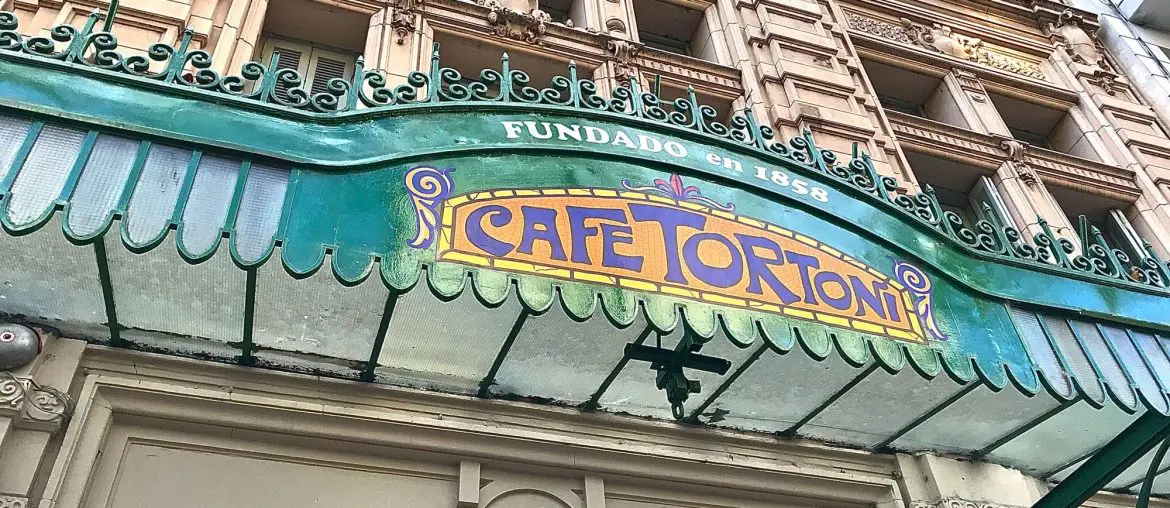
If there is one place in Buenos Aires that encapsulates the nostalgic spirit, literary history, and architectural elegance of the Argentine capital, it is the Gran Café Tortoni. Located at Avenida de Mayo 825, in the historic heart of the city, Café Tortoni is not just a place to enjoy a cup of coffee; it is a living museum, a cultural institution, and a window into the golden age of Buenos Aires. Since its doors opened in 1858, it has stood as the oldest café in Argentina, witnessing the birth of the modern nation and hosting some of the most influential figures of the 19th and 20th centuries.
The History and Origins of Café Tortoni
The story of Café Tortoni began in late 1858 when a French immigrant named Touan decided to open a café. He chose the name "Tortoni" in honor of a famous Parisian establishment on the Boulevard des Italiens, where the elite of 19th-century Paris used to gather. Originally, the café was located nearby, but in 1880 it moved to its current location on Avenida de Mayo. The striking facade we see today, designed by the renowned architect Alejandro Christophersen in 1898, reflects the Parisian style that Buenos Aires adopted during its rapid expansion, earning it the nickname "The Paris of South America."
From its early days, Tortoni was more than a commercial venture. It became a sanctuary for artists, writers, musicians, and politicians. In a city shaped by mass immigration and rapid urbanization, the café served as a public living room—a space where ideas were debated, masterpieces were conceived, and the unique identity of Buenos Aires was forged.
La Peña del Tortoni: A Cultural Revolution
In 1926, Café Tortoni cemented its status as the intellectual center of Argentina with the foundation of La Peña del Tortoni. Founded by the legendary Argentine painter Benito Quinquela Martín and the writer Baldomero Fernández Moreno, this cultural association met regularly in the café's basement. The purpose was simple yet profound: to promote the arts, literature, and music, and to provide a space for creative minds to share their work.
For decades, La Peña hosted poetry readings, classical music concerts, and political discussions. It was here that Alfonsina Storni, one of Argentina's most celebrated poets, read her works to an audience that hung on every word. The basement, known today as La Bodega, continues to host live performances, keeping this rich tradition alive for contemporary visitors.
Legendary Visitors: Who Walked These Halls?
To walk through the double doors of Café Tortoni is to walk in the footsteps of giants. Over the years, the café has welcomed a dizzying array of international and local luminaries. Among them was the master of Argentine literature, Jorge Luis Borges, who was a frequent guest, sitting at the marble tables to debate philosophy and literature. The legendary tango singer Carlos Gardel was also a regular; the café even maintains a table in his honor, complete with a lifelike wax figure of the singer alongside Borges and Storni.
International guests were equally drawn to the café's unique atmosphere. The Spanish poet Federico García Lorca spent time here during his stay in Buenos Aires, as did the scientist Albert Einstein, the pianist Arthur Rubinstein, and political figures like Hillary Clinton. Each visitor left a mark on the café, contributing to the thick layers of history that seem to float in the air alongside the aroma of freshly ground espresso.
Architectural Marvels: What to Look For
The interior of Café Tortoni is a masterclass in Art Nouveau design and preservation. As you enter, your eyes are immediately drawn upward to the magnificent stained-glass ceilings (vitrales), which bathe the salon in warm, colorful light. The walls are lined with dark oak wood paneling, adorned with paintings and sculptures donated by the artists who frequented the café over the last century.
The tables are made of solid marble, supported by ornate cast-iron bases, and the leather-upholstered chairs have been polished by generations of patrons. Key areas to explore include:
- The Golden Hall (Salón de las Columnas): A beautiful section of the café featuring grand columns and historic chandeliers.
- La Bodega: The historic basement where the legendary Peña met and where intimate tango and jazz shows are still held today.
- The Library and Billiard Room: Tucked away at the back, this area preserves the quiet, club-like atmosphere of the early 20th century.
The Menu: Chocolate con Churros and More
No visit to Café Tortoni is complete without indulging in its culinary traditions. While the menu offers a wide variety of coffees, teas, pastries, and light meals, there is one absolute classic that every visitor must order: chocolate con churros. This traditional treat consists of a cup of thick, rich, hot chocolate served alongside three freshly fried, crispy churros. Dipping the warm churros into the dense chocolate is a culinary ritual that has remained unchanged for over a century.
If you prefer a lighter option, the café serves excellent medialunas (local croissants) accompanied by a classic café con leche (coffee with milk) or a cortado. For those visiting in the afternoon or evening, Tortoni offers a selection of local wines, draft cider (sidra tirada), and traditional picadas (cured meat and cheese platters), perfect for sharing while soaking in the historic atmosphere.
Tango Shows at Café Tortoni
Tango is the soul of Buenos Aires, and there is no more intimate venue to experience it than the basement of Café Tortoni. Unlike the massive, theatrical tango shows found elsewhere in the city, the performances at Tortoni's La Bodega are acoustic, up-close, and deeply emotional. Featuring world-class dancers and singers accompanied by a bandoneón player, these shows capture the raw passion and melancholy of traditional tango.
Practical Information for Your Visit
Because of its immense popularity, visiting Café Tortoni requires a bit of planning. Here are some key tips to ensure a wonderful experience:
- Address: Avenida de Mayo 825, Buenos Aires. It is easily accessible via the Subte (metro) Line A (Piedras station) or Line C (Avenida de Mayo station).
- Opening Hours: Typically open daily from 8:00 AM to 10:00 PM.
- The Queue: Due to its iconic status, there is almost always a line of visitors waiting to get in, especially during weekends and peak tourist seasons. The queue moves relatively quickly, but arriving early in the morning (before 9:30 AM) or mid-afternoon (around 3:00 PM) will minimize your wait time.
- Tango Show Reservations: If you wish to see a tango show in the basement, it is highly recommended to book your tickets in advance online, as the seating capacity in La Bodega is very limited.
How to Find Café Tortoni
Below is the interactive map showing the exact location of Gran Café Tortoni in Buenos Aires. You can use it to plan your route from your hotel or other attractions in the historic center:
Conclusion
Café Tortoni is not just a destination; it is a sensory journey into the heart of Buenos Aires' cultural history. From the rich taste of the hot chocolate to the exquisite architecture and the echoes of literary legends, a visit here is an essential Argentine experience that should not be missed. Take your time, enjoy the conversation, and let the magic of the oldest café in Argentina wash over you.