Navigating Buenos Aires Like a Local
Buenos Aires has one of the most extensive and affordable public transportation networks in Latin America. Whether you are hopping on a historic subway line or taking a colorful bus across the city, getting around is incredibly cheap—provided you know how the system works.
The Golden Key: The SUBE Card
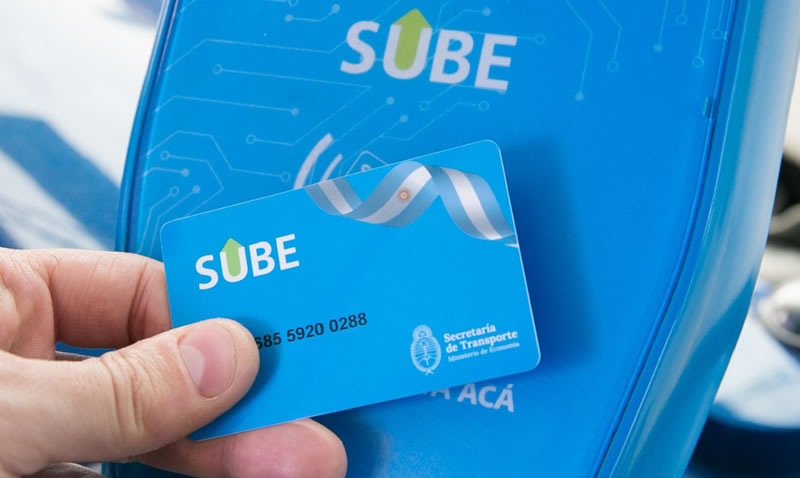
You cannot pay for public transport with cash. You must have a SUBE card. It is a blue, reloadable contactless smartcard used for all buses, subways, and trains in the metropolitan area.
Current Pricing & Balance
Card Cost: The SUBE card itself costs around $1,000 ARS.
Ride Cost: A typical bus or subway ride costs between $100 and $300 ARS (usually less than $0.30 USD depending on the exchange rate).
"Saldo Negativo": If you run out of credit mid-trip, the card allows you to go into a negative balance (usually enough for 3 extra rides) to get you home safely.
- Where to buy: "Kioscos" (small convenience stores displaying a blue SUBE flag), subway stations (Subte), or tourist centers.
- How to load money: You can load cash at kiosks or subway ticket booths.
- Official Website: tarjetasube.sube.gob.ar
The Subte (Subway) Network
The Buenos Aires subway, known as the Subte, is the fastest way to avoid surface traffic. It operates from roughly 5:30 AM to 11:30 PM (depending on the day and line).

Official network map of the Buenos Aires Subte.
- Line A (Light Blue): The oldest subway line in the Southern Hemisphere. Connects Plaza de Mayo to the west.
- Line B (Red): Cuts straight through the city center towards the bustling neighborhoods of Villa Crespo and Chacarita.
- Line D (Green): The most useful line for tourists. Connects the city center (Microcentro) directly to Recoleta, Palermo, and Belgrano.
- Line H (Yellow): The newest line, featuring modern cars and intersecting with all other major lines.
- Official Information: Emova (Subte Operator)
The Colectivos (Buses)
The buses, or colectivos, run 24/7. They are color-coded and numbered, and they literally go everywhere. However, the routes can be confusing.
Bus Pro-Tips
- Flag it down: When the bus approaches, you must extend your arm to flag it down, otherwise it won't stop.
- How to pay: When you board, tell the driver your destination or simply say "Un boleto" (One ticket), and they will set the price on the machine. Then tap your SUBE.
- Navigation: Never try to navigate the buses without an app. Use Google Maps or Moovit for real-time tracking.
Interactive Map: Check official routes at the Buenos Aires Interactive City Map.
EcoBici: The Yellow Bikes
Buenos Aires is incredibly flat and features an extensive network of protected bike lanes (bicisendas). The city's public bike-sharing system, EcoBici, is excellent. Download the BA Ecobici app, register with a credit card and passport, and buy daily passes.
- Official Website: baecobici.com.ar