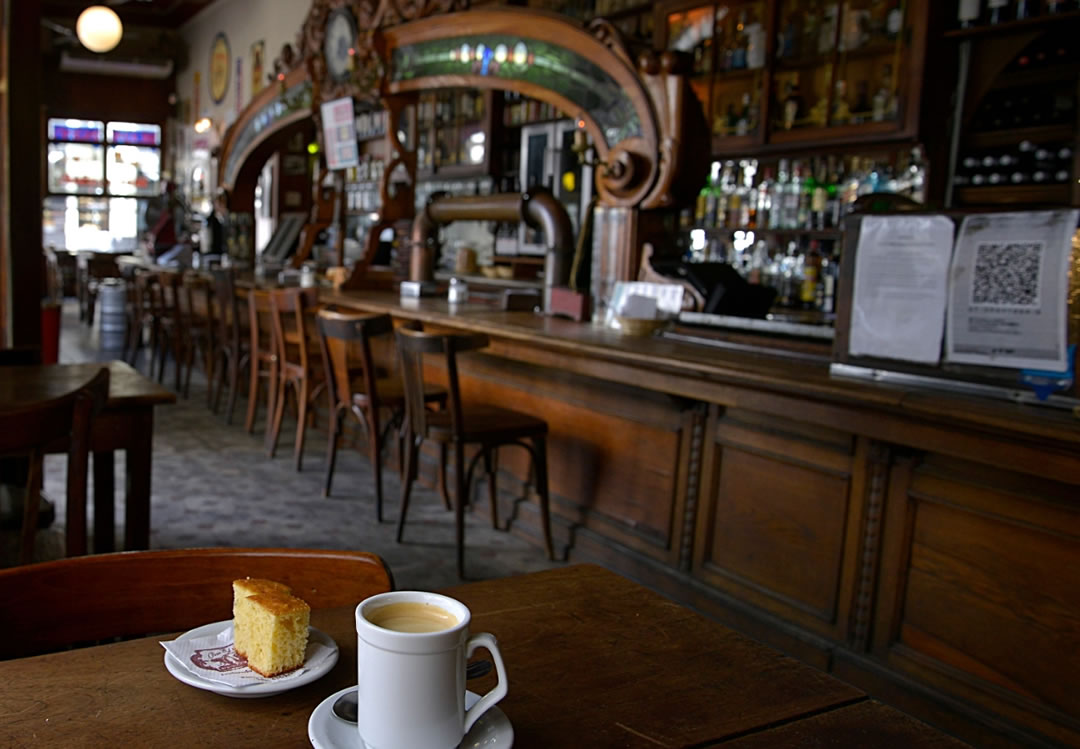
Buenos Aires is a city that lives and breathes coffee. The traditional coffeehouse, or café, is an integral part of the daily life of every porteño (Buenos Aires local). It is a place where friends meet, writers find inspiration, business deals are closed, and couples fall in love. The city features a unique system of designated historic cafes, known as "Cafés Notables," protected by the city government for their architectural and cultural value, alongside a booming modern specialty coffee scene centered in Palermo.
In this comprehensive guide, we review the 5 best cafes in Buenos Aires, offering a perfect mix of golden era history, literary legends, bohemian charm, and top-tier modern coffee roasting. Whether you are seeking spectacular stained-glass domes, historic literary tables, or a perfectly poured flat white, these cafes must be on your Argentine itinerary.
Our Top 5 Buenos Aires Cafes At a Glance
| Café Name | Style | Barrio (Neighborhood) | Key Highlight |
|---|---|---|---|
| 1. Las Violetas | Belle Époque Palace | Almagro | Spectacular stained-glass dome and "María Cala" tea service |
| 2. London City | Literary Icon | Microcentro | Julio Cortázar's legendary writing desk and statue |
| 3. Bar El Federal | 19th Century Antique | San Telmo | 1864 wood-carved bar and bohemian antique setting |
| 4. Café Margot | Tango & Literary Hub | Boedo | Historic tango roots and the legendary pickled turkey sandwich |
| 5. Cuervo Café | Modern Specialty | Palermo | Sourdough pastries, hipster vibe, and single-origin beans |
Interactive Map of the Best Cafes
Use our custom interactive map below to locate all 5 of these legendary cafes across Buenos Aires. Click on any marker to see the address and details of the place:
1. Café Las Violetas: The Belle Époque Jewel of Almagro
Opened in 1884, Las Violetas is the undisputed queen of historic cafes in Buenos Aires. Famous for its dazzling French stained-glass windows, Italian marble pillars, and golden wood paneling, this café offers a majestic sensory experience. It is the place to order the "María Cala," a massive three-tier tower loaded with sweet pastries, sandwiches, and cakes, making it a legendary destination for afternoon tea.
2. London City: Cortázar's Literary Sanctuary
Located on the bustling Avenida de Mayo since 1954, London City is a classic literary café. It is famously linked to Julio Cortázar, one of Argentina's most celebrated novelists, who wrote his book Los Premios here. Today, you can sit at his table, featuring a life-sized bronze statue of the author, making it a dream destination for book lovers.
3. Bar El Federal: San Telmo's Bohemian Soul
Dating back to 1864, Bar El Federal is one of the oldest establishments in the city. Located in bohemian San Telmo, it preserves its historic character with a massive carved wooden bar, old tiled floors, vintage advertising posters, and antique bottles. It is a fantastic spot to enjoy a classic cortado or transition to a draft cider (sidra tirada) with a traditional picada platter.
4. Café Margot: A Historic Tango Haven in Boedo
Located in the heart of Boedo—a neighborhood famous for its tango history and literary groups—Café Margot is a classic designated Café Notable. It features a retro look with red leather booths and historic paintings. No visit here is complete without ordering their famous "sándwich de pavita" (pickled turkey sandwich), which has been a local favorite for over 70 years.
5. Cuervo Café: The Capital of Specialty Coffee
For a taste of modern Buenos Aires, head to Palermo and visit Cuervo Café. This hipster hotspot represents the peak of the city's specialty coffee revolution. With expert baristas pulling perfect espresso shots from single-origin beans, accompanied by delicious sourdough pastries, Cuervo is the ideal spot to experience the contemporary lifestyle of the city.
Conclusion
Exploring the café culture of Buenos Aires is the best way to understand the city's history and soul. From the grandeur of Las Violetas to the modern vibe of Cuervo Café, each spot offers a unique atmosphere and story. Plan your coffee route today and discover why Buenos Aires remains a global capital of coffeehouse culture.